22/10/26 Following the successful completion of the new pavilion at Sevenoaks Town FC, we’re taking a closer look at the sustainable features incorporated into the project and how they contribute to a more energy-efficient and environmentally conscious community sports facility.
Sustainability was an important consideration in the development of the new pavilion, with a range of technologies and design features integrated to help reduce the building’s environmental impact and support its long-term performance.
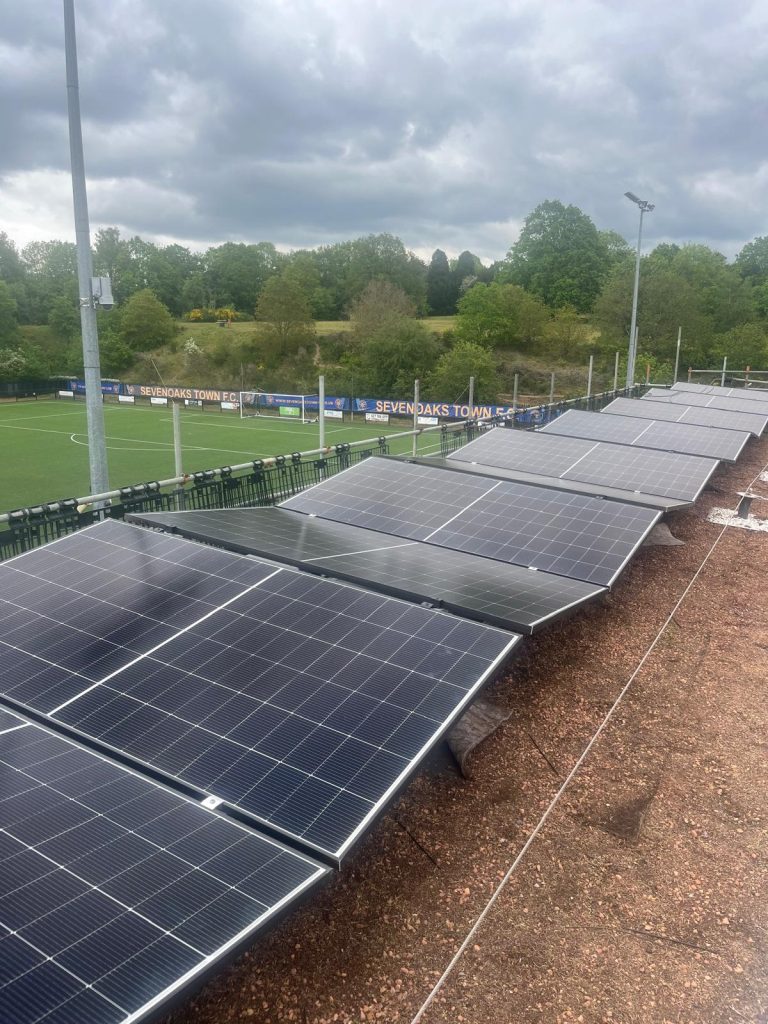
Solar photovoltaic (PV) panels have been installed across the pavilion roof, providing a renewable source of electricity for the building. By harnessing solar energy, the system will help reduce reliance on grid electricity and contribute to lowering the facility’s operational carbon footprint.
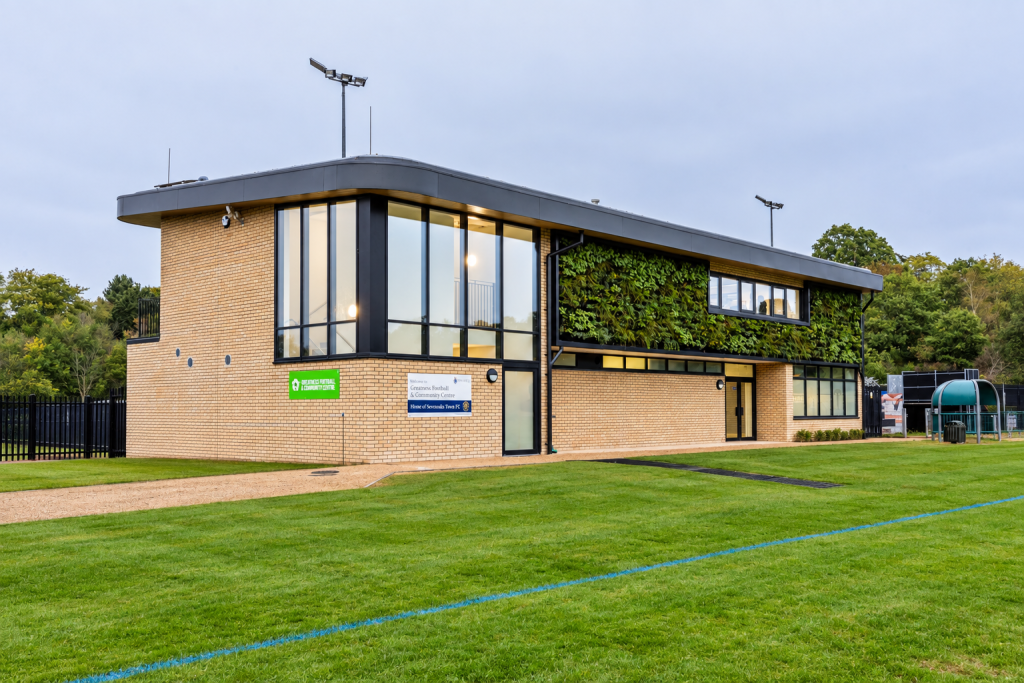
A living wall has also been incorporated into the pavilion’s design, introducing greenery to the building and creating an attractive natural feature. In addition to enhancing the building’s appearance, the living wall supports biodiversity and helps create a greener, more welcoming environment for players, visitors and the wider community.
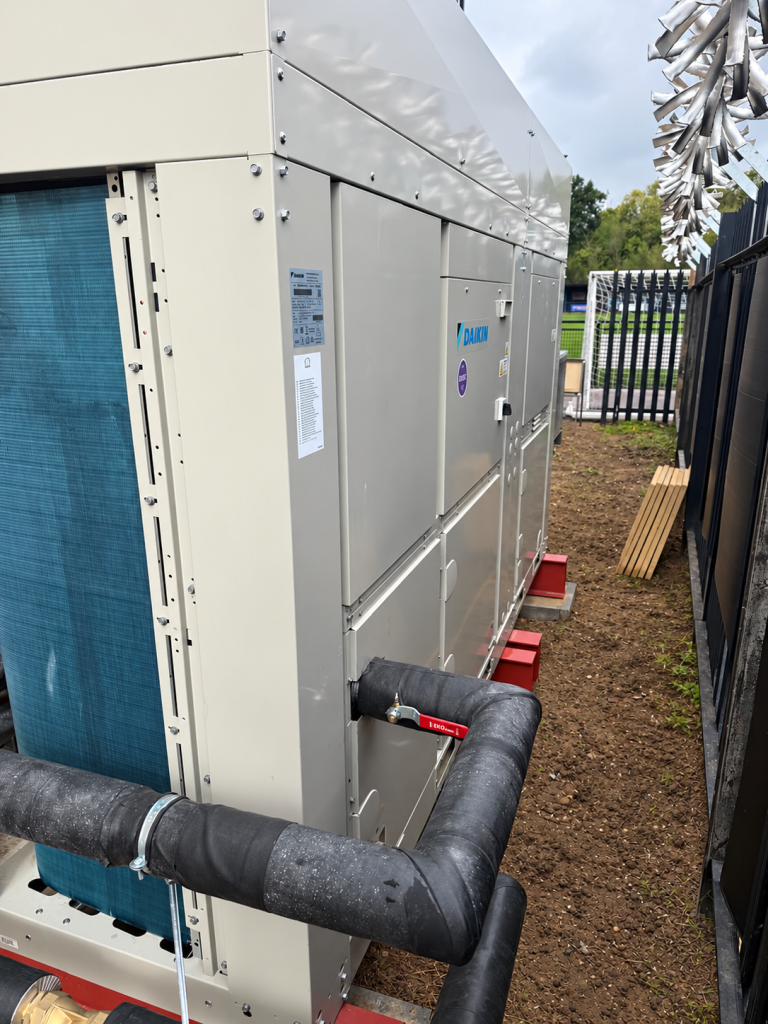
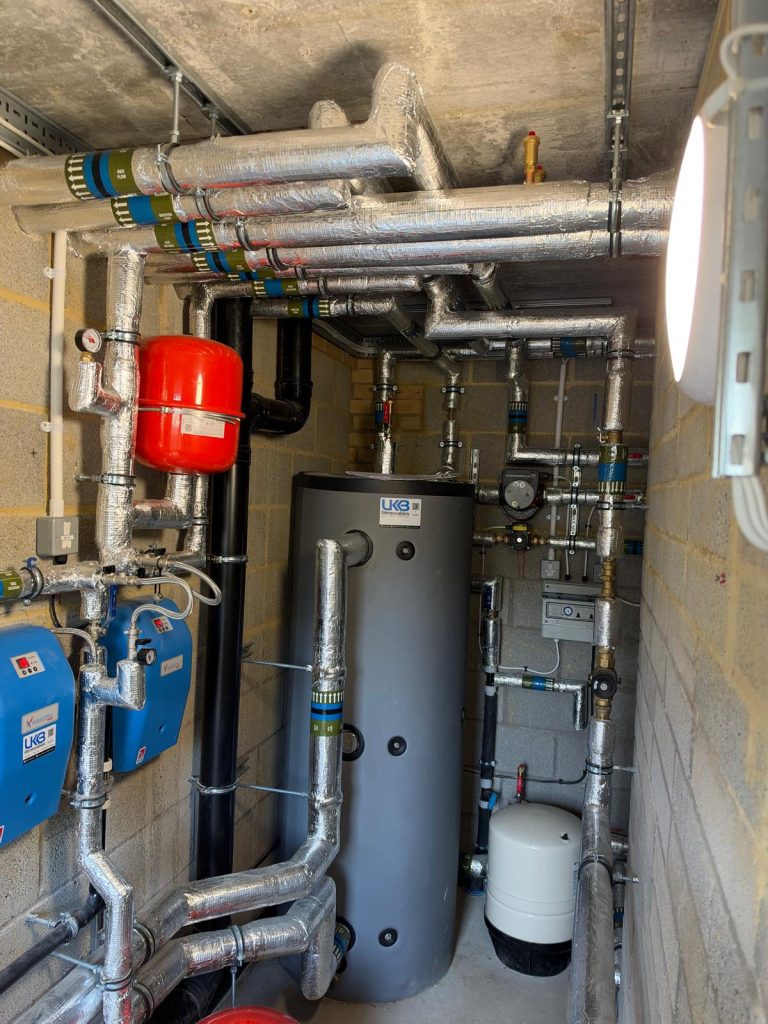
The pavilion also benefits from an air source heat pump, offering an energy-efficient alternative to traditional fossil fuel heating systems. By extracting heat from the outside air, the system provides a more sustainable approach to heating the building while helping to reduce its reliance on conventional energy sources.
Together, these features demonstrate how sustainable technologies can be successfully integrated into modern community sports facilities without compromising functionality or design.
The completed pavilion at Sevenoaks Town FC is a great example of how thoughtful design and the incorporation of renewable technologies can help create buildings that are better equipped for the future, delivering long-term benefits for both the club and the environment.